

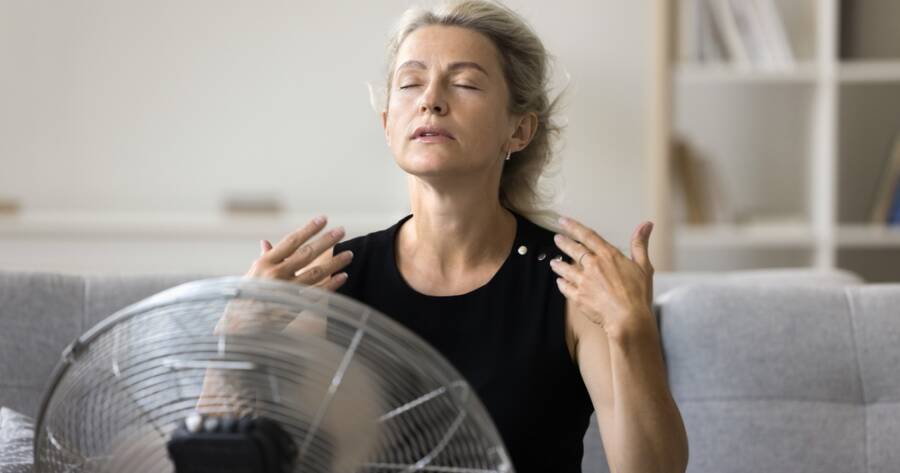
Keeping indoor spaces cool can be a challenge, especially in warm seasons or in areas with high humidity. While ceiling fans are a common choice, they are not always the best or most practical option for every space. Many other cooling methods can improve comfort, reduce heat, and suit different needs without relying on ceiling-mounted systems.
Portable Fans and Air Circulators
Portable fans are one of the simplest alternatives to ceiling fans. They come in many sizes, from small desk fans to larger floor units. These fans can be moved easily from one room to another, making them a flexible option for cooling different areas of a home or office.
Air circulators are similar but designed to move air more effectively across a room. Instead of just blowing air in one direction, they help create a steady flow that keeps the entire space feeling cooler. This can be especially helpful in rooms where airflow is limited or uneven.
Evaporative Coolers for Dry Climates
Evaporative coolers, often called swamp coolers, use water to cool the air. They pull warm air through a damp filter, which lowers the temperature before releasing it into the room. This method works best in dry climates where humidity is low.
These coolers use less energy than many other cooling systems and can be a good choice for people looking to reduce electricity use. However, they are less effective in humid areas, where the air already contains a high level of moisture.
Air Conditioning Units for Strong Cooling
Air conditioners provide a more powerful way to cool indoor spaces. Window units, portable air conditioners, and split systems are common options. These systems remove heat from the air and can lower the temperature quickly, making them suitable for very hot conditions.
Portable air conditioners are especially useful for people who cannot install permanent systems. They can be moved between rooms and require minimal setup. While they use more energy than fans, they offer stronger and more consistent cooling when needed.
Cooling with Natural Ventilation
Natural ventilation is a simple and no-fee way to improve airflow. Opening windows on opposite sides of a room or building can create a cross-breeze that helps move warm air out and bring cooler air in. This method works best when outdoor temperatures are lower than indoor temperatures.
Using ventilation at the right time of day is important. Early mornings and evenings are usually the best times to let fresh air in. Closing windows during the hottest parts of the day can help keep indoor spaces cooler.
Cooling Curtains and Window Coverings
Sunlight entering through windows can quickly raise indoor temperatures. Using curtains, blinds, or shades can help block heat and keep rooms cooler. Light-colored or reflective materials are especially effective at reducing heat from the sun.
Thermal curtains are designed to limit heat transfer. They can help keep warm air out during hot weather and also provide some insulation. This simple change can make a noticeable difference, especially in rooms that receive direct sunlight.
Cooling Mats and Personal Cooling Products
Personal cooling products offer comfort without changing the temperature of an entire room. Cooling mats, gel pads, and cooling towels are designed to lower body temperature directly. These are useful for sleeping, resting, or working in warm conditions.
Some products use special materials that stay cool for longer periods, while others rely on water or air flow. These options are helpful for people who want targeted cooling without using large devices or extra energy.
Choosing the Right Cooling Option
There are many effective alternatives to ceiling fans, each suited to different needs and environments. From portable fans to air conditioning and simple ventilation, the right choice depends on climate, space, and personal comfort. By exploring these options, it becomes easier to create a cooler and more comfortable indoor environment without relying on ceiling-mounted solutions.