

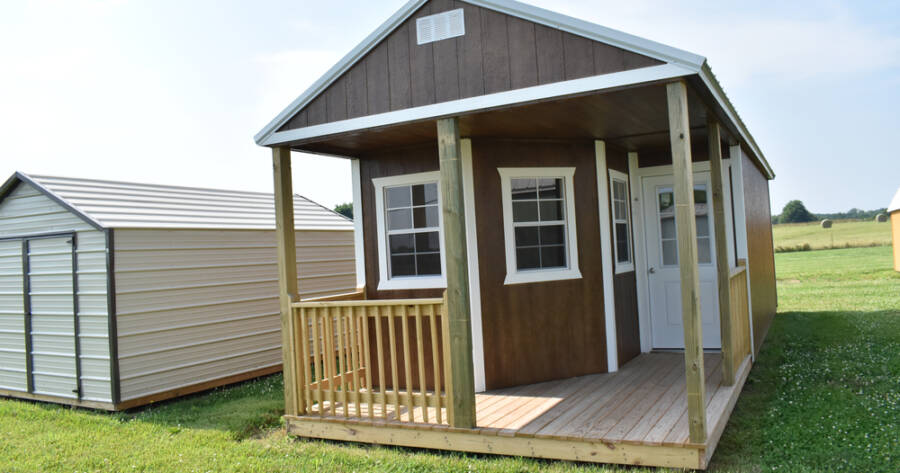
The tiny house movement is revolutionizing retirement living, offering seniors a cost-effective and independent lifestyle amidst rising real estate challenges. Compact homes provide financial freedom, customization for accessibility, and a sense of community, making them an appealing choice for those seeking to age in place. Understand the benefits and considerations of tiny housing solutions for retirees.
Golden Years, Small Spaces: Why Tiny Homes Are Perfect for Seniors
The tiny house movement is gaining momentum among retirees, offering a practical solution to the challenges of the current real estate market. With high mortgage rates and a limited inventory of affordable homes, tiny homes present a cost-effective alternative for seniors looking to downsize and manage their retirement budgets more efficiently. These compact living spaces provide a blend of affordability and independence, making them particularly appealing to older adults seeking to age in place while staying close to family.
Affordability and Financial Benefits
Tiny homes are not only affordable but also offer significant economic benefits for seniors. With costs ranging from $30,000 to $60,000 or more, they are a fraction of the price of traditional homes.
Additionally, many tiny house owners are mortgage-free, allowing retirees to escape financial burdens and potentially increase their savings. This financial freedom enables seniors to enjoy a life less encumbered by financial worries, granting them the liberty to travel and pursue passions without the stress of a mortgage.
Customization and Accessibility
One of the key advantages of tiny homes is their ability to be customized to meet the specific needs of seniors. Features such as grab bars, wider doorways, and one-level living can be incorporated to accommodate aging in place.
These homes can be designed with safety and comfort in mind, ensuring that older adults can live independently and securely. Custom design packages, including 3D modeling and rendering services, allow families to visualize and plan the space effectively, ensuring that the final design meets the specific requirements and preferences of the elderly residents.
Community and Emotional Security
Tiny homes provide an opportunity for seniors to stay close to family members, fostering emotional security and practical assistance. This arrangement allows older adults to maintain autonomy while benefiting from the support and care of loved ones.
Senior tiny home communities offer a unique living solution that combines privacy with community engagement, providing amenities tailored to active seniors and fostering connections in a supportive environment that enhances quality of life.
Challenges and Considerations
While tiny homes offer numerous benefits, they may not be suitable for everyone. Seniors need to consider factors such as financing options, property availability, and personal mobility needs. The limited space may require significant downsizing of personal belongings, which can be challenging for those with decades of accumulated possessions.
Additionally, legal and logistical challenges exist, as tiny homes are often categorized as RVs and may not meet local zoning laws. Seniors should research local regulations to avoid potential relocation issues and ensure a smooth transition.
Why You Should Learn More About Tiny Homes for Seniors
Tiny homes offer a practical and affordable solution for seniors looking to age in place, providing a blend of affordability, simplicity, and safety that aligns with the needs of modern retirees. With the average cost of assisted living facilities exceeding $4,000 a month, tiny homes present a cost-effective alternative.
They offer financial freedom, a simplified lifestyle, and the opportunity to stay close to family, making them an attractive option for retirees. By exploring the benefits and challenges of tiny home living, seniors can make informed decisions about their housing options and enjoy a fulfilling and independent retirement.