

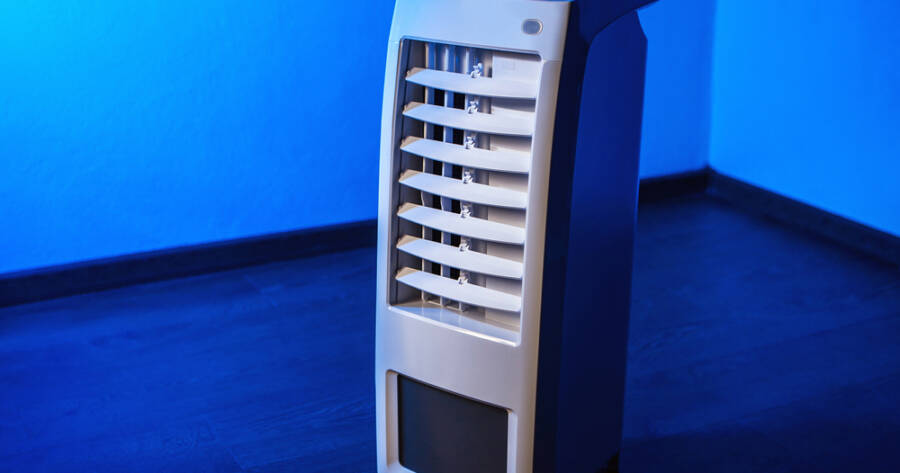
Portable air conditioners offer a versatile cooling solution for spaces where traditional systems fall short. Standalone units efficiently cool specific areas, making them ideal for renters or spaces with installation constraints. Understand the types, features, and energy efficiency of portable air conditioners, as well as how to choose the right model for optimal comfort and cost-effectiveness.
Understanding Portable Air Conditioners
Portable air conditioners have become a popular choice for many households, especially in spaces where traditional air conditioning systems are impractical. These units are standalone devices designed to cool specific areas without the need for permanent installation, making them ideal for renters or spaces where modifications are not possible (source). They work by drawing warm air from the room, cooling it through refrigerant-filled coils, and expelling the hot air outside via an exhaust hose, while also dehumidifying the air (source).
Types and Features of Portable Air Conditioners
There are two main types of portable air conditioners: single-hose and dual-hose models. Single-hose units are compact and easier to install but can create negative pressure, reducing efficiency. Dual-hose models use separate intake and exhaust hoses, preventing negative pressure and offering more efficient cooling, especially in larger spaces (source).
Key features of portable air conditioners include adjustable thermostats, multiple cooling speeds, dehumidifier functions, timers, and air filtration systems. These features enhance convenience, efficiency, and indoor air quality (source).
Choosing the Right Portable Air Conditioner
When selecting a portable air conditioner, it is crucial to consider the room size and the unit’s BTU rating, which indicates its cooling power. An 8,000 BTU unit can cool up to 350 square feet, while a 14,000 BTU unit can handle 700 square feet (source). Factors such as high ceilings, poor insulation, and sun exposure can affect a unit’s cooling capacity, potentially leading to longer run times and higher utility bills (source).
Cost and Energy Efficiency
Portable air conditioners are an affordable and effective cooling solution for homes with small to medium-sized rooms lacking central air (source). Energy efficiency is a key consideration, with ENERGY STAR certified units offering reduced energy consumption. Smart AC units can connect to smart thermostats for optimized energy use and remote monitoring via smartphone apps (source).
Average Price Range of Portable Air Conditioners
The cost of portable air conditioners in the U.S. varies depending on cooling capacity, features, and brand, but most units fall within a clearly defined range. Entry-level models typically start around $250 to $400, while mid-range units with stronger cooling performance and added features generally fall between $400 and $700 (source). Higher-end models, particularly those with dual-hose systems or smart functionality, can range from $700 to $1,000 or more (source).
Maintenance and Reliability
Regular maintenance is crucial for the optimal performance of portable air conditioners. Essential maintenance tasks include cleaning or replacing filters, checking and cleaning the exhaust hose, draining condensate tanks, cleaning coils, and storing the unit in a cool, dry place when not in use (source). In Consumer Reports’ brand reliability survey, Frigidaire and Honeywell received top ratings for predicted reliability, while other brands also performed above average (source).
Why You Should Learn More About Portable Air Conditioners
Understanding portable air conditioners can significantly enhance your ability to choose the right cooling solution for your home. With their flexibility, ease of installation, and energy efficiency, these units offer a practical alternative to traditional air conditioning systems. By considering factors such as room size, BTU rating, and energy efficiency, consumers can make informed decisions that lead to comfortable and cost-effective cooling.
Regular maintenance and awareness of the latest features can further optimize the performance and longevity of these devices. Exploring the various models and features available can help ensure that you select a unit that meets your specific needs and preferences.