

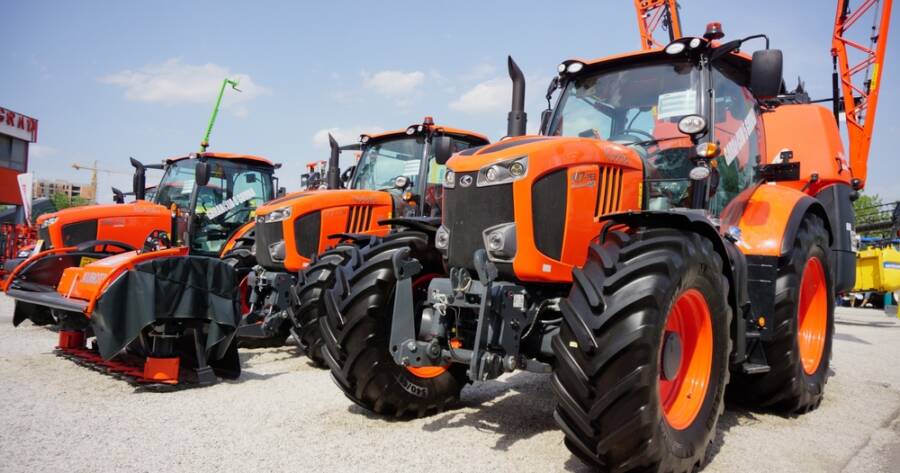
Police impound tractors can occasionally reach public auction after being seized, abandoned, or left unclaimed, creating an unusual buying opportunity for farmers, contractors, and equipment buyers. Tractor sales are much less predictable than ordinary used-equipment auctions, so finding them requires knowing where local agencies list property and how to distinguish genuine police-held equipment from general government surplus.
What Counts as a Police Impound Tractor?
A genuine police-impound tractor has passed through the custody of a law-enforcement or municipal agency rather than simply being retired from government service. Equipment might have been seized during an investigation, recovered but never reclaimed, or otherwise transferred to an agency for lawful disposal.
One real example appeared on GovDeals when the Putnam Police Department in Connecticut auctioned a Kioti tractor equipped with a loader and backhoe. The department stated that the tractor had initially been seized and later became unclaimed police property. It had remained at the impound facility for several years before being offered at auction (source).
Where to Find Police Impound Tractor Auctions
Online government-auction platforms are a practical place to watch because individual police departments, municipalities, and other public agencies can use them to dispose of equipment. GovDeals maintains categories for agricultural and forestry equipment, making it possible to search for tractors and related machinery while checking the identity of the seller on each listing (source).
The seller information matters. A tractor listed by a police department or municipal impound operation has a different history from a tractor being replaced by a parks department or public-works fleet. Buyers specifically seeking impounded equipment should therefore examine the seller, description, title information, and reason for sale rather than assuming every government-owned tractor was seized or abandoned.
Do Not Confuse Impound Auctions With Government Surplus
GSA Auctions can also be useful for finding tractors, but it should be treated as a separate opportunity. The federal platform sells government-owned excess property across categories that include agricultural equipment, construction machinery, and tractors. Current listings regularly include equipment such as John Deere tractors and backhoes (source).
That does not make those machines police impounds. Federal auction inventory can include ordinary surplus property that agencies no longer require, while other government auction programs handle seized or forfeited assets. USA.gov specifically distinguishes GSA excess-property auctions from federal seized-property sales conducted through agencies such as the U.S. Marshals Service and Treasury (source). For buyers primarily interested in inexpensive tractors rather than their origin, both types of auctions may still be worth monitoring.
Inspect Condition and Documentation Carefully
Impounded equipment may have been sitting unused for long periods, and auction staff may know little about its maintenance history. The Putnam Police Department tractor, for example, was described as non-operational, needing a battery and having a flat tire after sitting at the impound facility since 2021. Prospective bidders were permitted to arrange an inspection before the auction (source).
Review everything the listing provides before bidding: operating condition, hours if available, attachments, visible damage, serial numbers, documentation, and removal requirements. If inspection is allowed, take advantage of it. A low winning bid loses its appeal quickly if the tractor requires an engine repair, hydraulic work, unavailable parts, or expensive transportation before it can be used.
Check Title, Payment, and Pickup Rules
Documentation can vary substantially with the circumstances behind a government sale. Seized equipment may occasionally be sold with unusual paperwork rather than the documentation buyers expect from a dealership. A 2026 Tennessee law-enforcement seizure listed on GovDeals, for example, offered a road tractor with court documents and a bill of sale rather than a conventional title (source).
Buyers should therefore confirm what documentation will be issued before bidding and determine what their state requires for registration or ownership records when applicable. Payment deadlines and removal rules also deserve attention. Auction buyers are commonly responsible for loading and transportation, which can be a substantial expense for a disabled farm tractor requiring a trailer, winch, or heavy-equipment hauler.
Approach Bidding With a Complete Budget
Set a maximum bid only after estimating the tractor’s usable value and likely additional expenses. Transportation, auction charges, taxes, replacement tires, batteries, fluids, missing attachments, and mechanical repairs can materially increase the real purchase price. When little is known about the machine’s history, leaving a larger repair allowance can reduce the risk of turning an inexpensive purchase into a costly project.
It also helps to compare the tractor with conventional used-equipment listings before bidding. An auction does not guarantee a bargain, particularly when multiple experienced buyers are competing for desirable machinery. The winning price should still make sense after realistic repair and removal costs are included.
Finding Genuine Police Impound Tractor Opportunities
Police impound tractors do appear at public auction, but they are opportunistic purchases rather than a predictable source of inventory. The most useful strategy is to monitor auction platforms used by municipal agencies, search agricultural-equipment categories, and verify that the individual seller and listing actually identify the equipment as seized, impounded, or unclaimed.
Government surplus auctions can broaden the search when the main objective is finding affordable equipment, but buyers should keep those sales separate from true police-impound opportunities. Careful attention to seller identity, condition, documentation, inspection rules, and transportation costs gives buyers a clearer picture of whether an auction tractor represents genuine value or simply an inexpensive machine with expensive problems.