

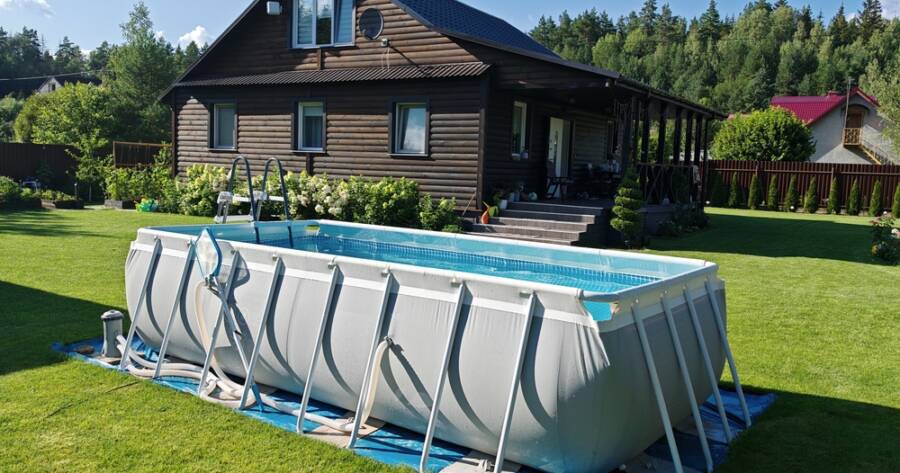
Portable swimming pools have surged in popularity, offering a versatile and budget-friendly alternative to permanent installations. With options ranging from inflatable to metal-framed models, portable pools cater to diverse needs and spaces. As safety, regulations, and proper selection become crucial, understanding key elements ensures a safe and enjoyable experience for families and individuals alike.
The Rise of Portable Swimming Pools
Portable swimming pools have become a popular choice for families and individuals seeking a convenient and cost-effective way to enjoy water activities without the commitment of a permanent pool. These pools come in various forms, including inflatable, metal-framed, and hybrid models, catering to different needs and preferences. They are particularly appealing to those with limited space, budget constraints, or a desire for a temporary setup (source).
Types of Portable Swimming Pools
Inflatable pools are constructed from durable vinyl or PVC, making them easy to set up and highly portable. They are ideal for renters or those who frequently relocate. However, they are generally smaller and shallower, best suited for children’s play or lounging.
On the other hand, metal frame pools, supported by a sturdy steel or resin frame, offer greater durability and longevity, with a lifespan of 5-10 years (source). These pools can accommodate larger sizes and depths, suitable for swimming and more extensive water activities.
Safety Considerations
While portable pools offer fun and convenience, they also come with safety risks, particularly for children. During the summer in the U.S., a child drowns every five days in a portable pool, underscoring the importance of safety measures (source).
To prevent unsupervised access, it is crucial to ensure that children are only in the pool area when an adult is present. Pools should be emptied immediately after use and ideally placed within a fenced area that is non-climbable, at least four feet high, and equipped with self-closing and self-latching gates (source).
Regulations and Compliance
In the United States, inflatable pools must comply with various safety standards and regulations, including the Consumer Product Safety Improvement Act (CPSIA) and 16 CFR Part 1450 (source). These regulations ensure that inflatable pools are safe for use, particularly for children, by setting requirements for testing, labeling, and substance restrictions.
ASTM and ANSI standards also play a crucial role in the safety and compliance of inflatable pools, covering aspects like sanitation, electrical safety, and childhood drowning prevention (source).
Choosing the Right Portable Pool
Selecting the right portable pool involves matching the pool size and shape to the available space and intended use. Considerations include ground clearance, drainage slope, and proximity to utilities.
Evaluating frame and liner materials is crucial; steel frames should have a high zinc coating for corrosion resistance, while liners should be UV-stabilized and phthalate-free to prevent health risks and material degradation. Proper setup and maintenance are key to pool longevity, involving leveling the ground, assembling the frame, and installing the liner without wrinkles.
Why You Should Learn More About Portable Swimming Pools
Portable swimming pools offer a flexible and affordable way to enjoy water activities, making them an attractive option for many households. Understanding the different types, safety considerations, and regulatory requirements can help in making an informed decision that ensures both enjoyment and safety.
As these pools continue to evolve, they provide a practical solution for those looking to enjoy the benefits of a swimming pool without the permanence and cost of traditional installations. Exploring the options available can lead to a rewarding and safe swimming experience for families and communities alike.