

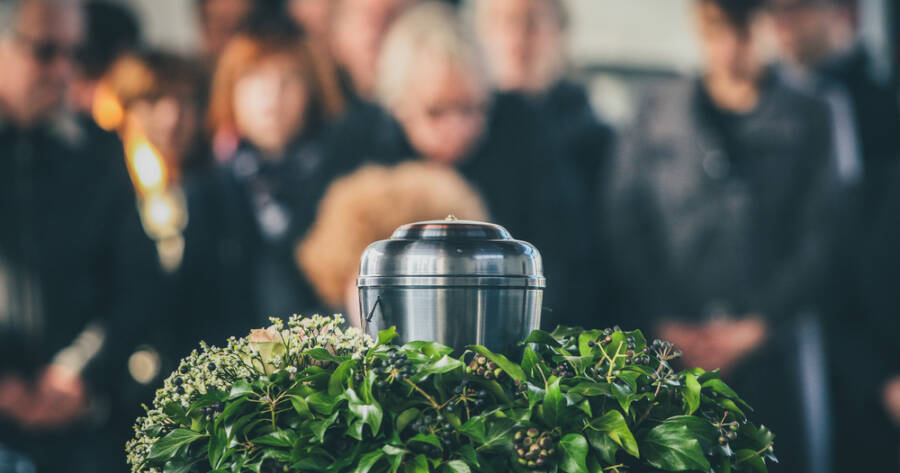
Cremation is gaining popularity as a cost-effective and flexible alternative to traditional burials, offering both environmental benefits and personal choice. Many people are curious to learn about the respectful handling of the deceased, the technical intricacies of modern cremation, and the eco-friendly materials used. Understand the comprehensive process and post-cremation options to make informed end-of-life decisions.
Understanding the Cremation Process
Cremation has become an increasingly popular choice for end-of-life arrangements, offering a cost-effective and flexible alternative to traditional burials. The process begins with the arrival of the deceased at the crematorium, where the coffin is placed on a catafalque by pallbearers for the committal.
Depending on the crematorium’s practices, the committal may involve closing curtains around the coffin or lowering it out of sight (source). This initial step is crucial for ensuring the respectful handling of the deceased.
The Technical Aspects of Cremation
Modern crematories utilize industrial furnaces, known as retorts, which are specifically designed for cremation. These furnaces are lined with fire-resistant bricks and can reach temperatures up to 2000 degrees Fahrenheit, ensuring efficient and environmentally compliant cremation (source).
The cremation process typically takes 60-90 minutes, during which the body is reduced to bone fragments (source). These fragments are then processed to create a finer consistency known as “cremains” (source).
Ensuring Proper Identification and Handling
Identification procedures are a critical component of the cremation process. Each cremator is designed to accommodate only one coffin at a time, ensuring that ashes are not mixed with those from other cremations.
An identity card accompanies the coffin and remains throughout the process to maintain identification (source). Additionally, a metal ID tag stays with the body throughout the process, providing further assurance of proper handling (source).
Environmental and Practical Considerations
Cremation is often chosen for its perceived lower carbon footprint compared to traditional burials. This shift is part of a broader trend towards eco-friendly practices.
The use of natural materials for coffins, such as bamboo, wicker, and banana leaves, is becoming more common (source). These materials are not only environmentally friendly but also suitable for cremation due to their flammability.
Post-Cremation Procedures
After the cremation process, the ashes are cooled and processed in a cremulator to remove any metal, ensuring a consistent texture. The cremated remains, which resemble grayish coarse sand, are then placed in an urn or similar container and returned to the family (source).
The ashes are typically ready for collection the next working day, although it can take up to five days. In some cases, ashes may be available on the same day as the cremation, but specific timing should be discussed with the funeral director (source).
Why You Should Learn More About Cremation Today
Understanding the cremation process is essential for making informed end-of-life decisions. With its cost-effectiveness, environmental benefits, and flexibility, cremation offers a viable alternative to traditional burials.
By learning more about the technical aspects, identification procedures, and post-cremation options, individuals can make choices that align with their personal values and preferences. Whether considering cremation for oneself or a loved one, gaining a comprehensive understanding of the process can provide peace of mind and ensure that final wishes are respected.