

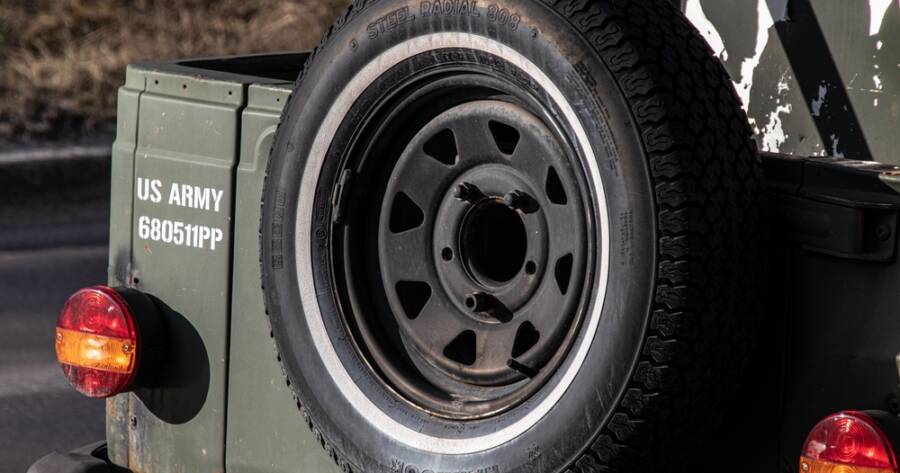
Military surplus Jeeps, particularly from World War II, are celebrated for their historical significance and enduring appeal. Iconic vehicles offer enthusiasts a unique connection to the past, blending nostalgia with community engagement. From maintenance challenges to investment potential, understand the multifaceted allure of owning a piece of automotive history.
The Historical Significance of Military Surplus Jeeps
Military surplus Jeeps, particularly those from World War II, hold a special place in automotive history. These vehicles, primarily the Willys MB and Ford GPW models, were instrumental in the Allied victory during the war.
Known as “the vehicle that won the war,” these Jeeps were praised for their versatility and reliability, serving in both the European and Pacific theaters (source). Their historical significance makes them a popular choice among collectors and enthusiasts who appreciate their role in history and their iconic status in media and reenactments (source).
Ownership Experience and Community Engagement
Owning a military surplus Jeep is more than just having a vehicle; it’s about connecting with history. These Jeeps serve as rolling time capsules, offering a direct link to the 1940s and evoking nostalgia for a simpler, more utilitarian era. Owners can engage with this history through casual weekend drives or by participating in reenactments and historical events (source).
Joining organizations like the Military Vehicle Preservation Association (MVPA) or the Military Vehicle Trust (MVT) is highly recommended. These groups provide invaluable networking opportunities, access to knowledgeable collectors, and resources such as workshops and member-only publications that offer restoration stories and technical advice (source).
Maintenance and Driving Experience
Maintaining a military surplus Jeep requires familiarity with older technology, such as manual gearboxes and less reliable fuel gauges. Despite these challenges, they are straightforward to maintain, with a wealth of spare parts and expertise available. Owners often use lead replacement additives to protect the engine and may need to make allowances for quirks like unreliable handbrakes and poor visibility in rain (source).
Driving a WW2 Jeep is a unique experience, characterized by its lack of modern conveniences and safety features. Drivers must adapt to quirks such as double clutching and limited visibility. Despite these challenges, the experience is rewarding, offering a sense of piloting a piece of history (source).
Investment and Value Considerations
The value of military surplus Jeeps has consistently risen over the years, making them a potentially good investment if well-maintained. Prices can average around $30,000, depending on the condition and rarity of the vehicle (source).
Prospective buyers should consider factors such as the Jeep’s historical authenticity, condition, and whether they prefer a fully restored vehicle or a project. It’s advisable to consult with experts or knowledgeable individuals when purchasing to ensure the Jeep’s originality and condition.
Why You Should Learn More About Military Surplus Jeeps Today
Military surplus Jeeps offer a unique blend of historical significance, community engagement, and investment potential. Whether you’re a history enthusiast, a collector, or someone looking for a unique driving experience, these vehicles provide a direct link to a pivotal time in history.
Engaging with the community of Jeep enthusiasts can provide valuable insights and support, making ownership a rewarding experience. With their rising value and iconic status, military surplus Jeeps are not just vehicles; they are a piece of history worth exploring.