

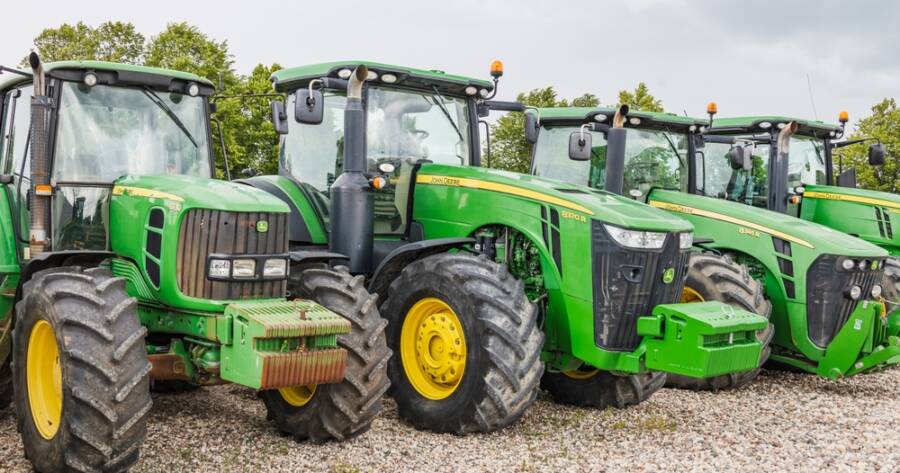
Buying a second hand tractor can be a smart move for farmers, landowners, and contractors who want reliable equipment without paying for a brand-new machine. However, choosing the right tractor takes careful thought. By focusing on condition, purpose, and history, you can find a machine that works well and lasts for years.
Are Second Hand Tractors A Solid Investment?
Second hand tractors can be a solid investment when chosen carefully and used for the right tasks. They offer a lower upfront cost compared to new machines, which allows buyers to access reliable equipment without stretching their budget. For many users, especially small farms or growing operations, this makes it easier to start or expand without taking on large financial pressure.
The value of a used tractor depends on its condition, brand, and how well it has been maintained. A well-kept machine from a trusted manufacturer can continue to perform for many years with proper care. When buyers focus on quality and long-term usability rather than just price, second hand tractors can deliver strong returns through dependable performance and reduced ownership costs.
Understanding Your Needs
Before looking at any tractor, it is important to know what you need it for. Different tasks require different sizes and power levels. For example, small farms or gardens may only need a compact tractor, while large fields or heavy work require a more powerful model. Thinking about your daily tasks helps narrow down the right type.
You should also consider how often you will use the tractor and what attachments you plan to use. Plowing, mowing, lifting, and hauling all place different demands on a machine. A clear plan helps you avoid buying something too weak or too large for your work.
Checking the Tractor’s Condition
The condition of a used tractor is one of the most important factors to review. Start by looking at the engine, as it is the heart of the machine. Check for leaks, strange noises, or smoke when the engine is running. These signs can point to deeper problems that may cost time and money to fix.
Next, inspect the tires, hydraulics, and transmission. Worn tires or weak hydraulics can affect performance. Make sure the tractor moves smoothly through gears and responds well during operation. A simple test drive can reveal issues that are not easy to see at first glance.
Reviewing Maintenance History
A well-maintained tractor usually performs better and lasts longer. Ask the seller for service records if available. Regular oil changes, filter replacements, and proper storage all show that the previous owner took good care of the machine.
If records are not available, look for signs of good upkeep. Clean parts, proper fluid levels, and minimal rust can suggest careful use. On the other hand, poor maintenance can lead to hidden problems that may appear later, so it is worth taking your time during inspection.
Considering Brand and Parts Availability
Choosing a well-known brand can make ownership easier in the long run. Popular tractor brands often have better support, including spare parts and service centers. This means repairs can be handled more quickly and with less effort.
It is also helpful to check if parts are easy to find in your region. Some older or less common models may have limited parts availability, which can delay repairs. A tractor is only useful if it can be maintained, so access to parts is an important factor.
Evaluating Hours of Use
Tractors are often judged by the number of hours they have been used, similar to mileage in a car. Lower hours may suggest less wear, but this is not always the full story. A tractor with higher hours that has been well maintained can still be a better choice than one with fewer hours but poor care.
Look at how the tractor was used, not just how long. Light work over many years can be less damaging than heavy work in a short time. Ask questions about its past tasks to get a better understanding of its condition.
Inspecting Attachments and Compatibility
Many tractors come with attachments or are designed to work with specific tools. Check whether the tractor supports the attachments you need, such as loaders, plows, or mowers. Compatibility can save you from buying extra equipment later.
Also, inspect any included attachments for wear or damage. Worn tools may need repair or replacement, which adds to your overall cost. Making sure everything works together smoothly will improve your overall experience.
Making a Smart Purchase
Choosing a second hand tractor requires patience and attention to detail. By focusing on your needs, checking condition, and reviewing maintenance history, you can avoid common mistakes. Taking the time to inspect each part carefully helps ensure you get a machine that performs well.
A thoughtful approach leads to better value and fewer surprises after purchase. With the right tractor, you can handle your work efficiently and with confidence, knowing that your investment was a sound decision.