

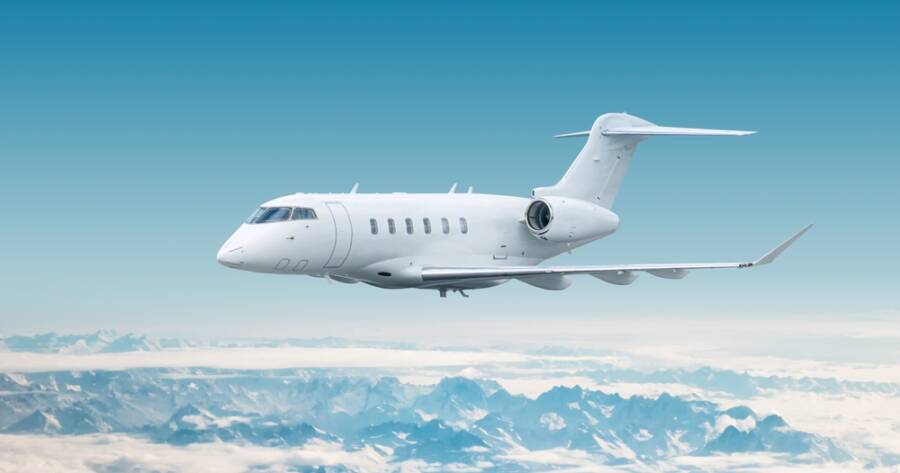
Private jet rental costs encompass a variety of factors, from hourly rates and aircraft type to additional fees and taxes. Understanding the key elements is essential for making informed decisions and optimizing expenses. Understand how factors like billable flight time, cost-saving opportunities, and membership programs can influence the overall cost and enhance the private jet experience.
Understanding Private Jet Rental Costs
Private jet rental costs are primarily determined by the hourly rate, which can range from $2,000 to $14,000 per flight hour depending on the aircraft type. This rate typically includes the aircraft, crew, insurance, and fuel.
However, additional costs such as repositioning, crew overnights, handling, and taxes may apply based on the specific requirements of the trip. The cost is also influenced by the aircraft category, type, and age, with larger and more luxurious jets generally having higher hourly rates. Newer aircraft tend to be more expensive due to advanced technology and improved fuel efficiency.
Factors Influencing Private Jet Costs
Several factors influence the total cost of a private jet charter. These include billable flight time, fuel surcharges, crew fees, landing and handling fees, and federal excise tax.
Billable flight time is typically the largest cost component, calculated based on the time spent in the air along with any repositioning fees or daily minimum flight time adjustments, as highlighted by EvoJets. For instance, a one-hour flight from Los Angeles to San Francisco in a light jet may be billed for two hours due to a daily minimum flight time requirement.
Additional Expenses and Fees
In addition to the base hourly rate, private jet rentals can incur various additional expenses. These include crew overnight fees, short-leg fees, aircraft positioning costs, hangar fees, and fuel surcharges.
Incidental charges such as Wi-Fi fees, pet cleaning fees, and deicing charges are not typically included in the main bill and can vary widely based on the flight’s specifics and the services requested, according to Paramount Business Jets. Taxes and regulatory fees are also important considerations, with a 7.5% Federal Excise Tax applying to U.S. domestic flights and various international fees potentially impacting the total cost.
Cost-Saving Opportunities
For those looking to save on private jet rentals, empty leg flights offer a cost-saving opportunity. These are return or repositioning flights without passengers, available at significantly reduced rates.
Travelers with flexible schedules can take advantage of these flights to enjoy private aviation at a lower cost, as noted by Navan. Additionally, booking during off-peak times, sharing flight costs, and negotiating package deals or memberships for regular travelers can further reduce expenses.
Membership Programs and Pricing Options
Paramount Business Jets offers various pricing options, including on-demand rental prices and Jet Card Membership prices, which provide exclusive discounts and transparent pricing for frequent flyers.
Membership programs can offer significant savings based on the level of deposit and usage. To secure the best pricing and aircraft availability, it is recommended to book private jet rentals 30 to 60 days in advance, especially during peak travel seasons and major holidays when demand is higher, as advised by Paramount Business Jets.
Why You Should Learn More About Private Jets Today
Understanding the intricacies of private jet rental costs is crucial for making informed decisions. With a wide range of factors influencing the total cost, from aircraft type and size to additional fees and taxes, being well-informed can lead to significant savings.
Exploring cost-saving opportunities such as empty leg flights and membership programs can enhance the private jet experience while keeping expenses in check. As the demand for private aviation continues to grow, staying updated on the latest trends and pricing options can provide a competitive edge for those seeking luxury and convenience in air travel.