

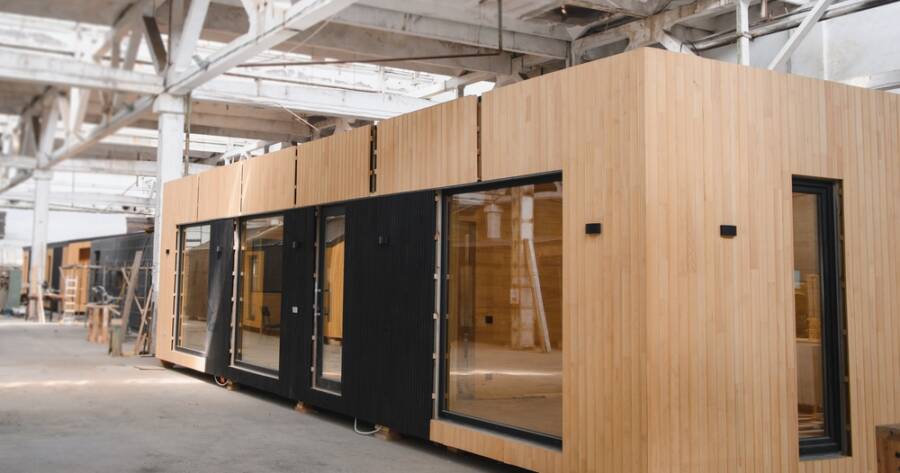
Prebuilt homes, also known as modular or prefabricated homes, are revolutionizing the housing market with their cost-effectiveness, customization, and energy efficiency. Constructed in factory settings and assembled on-site, prebuilt homes offer a streamlined process that reduces complexity and cost. Understand the benefits, types, and customization options that make prebuilt homes an attractive choice for modern living.
Understanding Prebuilt Homes
Prebuilt homes, often referred to as modular or prefabricated homes, are gaining popularity due to their cost-effectiveness, customization options, and energy efficiency. These homes are constructed in sections within a factory setting and then assembled on-site, offering a streamlined construction process that reduces complexity and cost compared to traditional building methods (source). This method not only ensures high-quality construction but also allows for a quicker turnaround, making them an attractive option for those eager to move into a new home.
Benefits of Prebuilt Homes
Prebuilt homes offer numerous advantages, including affordability, speed of construction, and environmental benefits. The controlled factory environment minimizes construction waste and ensures durability, making these homes a sustainable choice (source).
Additionally, modular homes can be customized to fit individual preferences, with options for personalized layouts, high-end kitchen and bath upgrades, and unique exterior finishes. This flexibility allows homeowners to create a space that truly reflects their lifestyle and aesthetic preferences (source).
Types of Prefabricated Homes
Prefabricated homes come in several formats, each defined by how they are constructed, transported, and assembled. Manufactured homes, often called mobile homes, are fully built in a factory and delivered in one piece to the site. They are constructed under the federal HUD code rather than local residential building codes and are typically placed on non-permanent foundations. Modular homes, in contrast, are built in large sections off-site and assembled on a permanent foundation, meeting the same local building codes as traditional site-built homes.
Kit homes and panelized homes offer additional flexibility. Kit homes are delivered as pre-cut materials or partially assembled components that are constructed on-site, allowing for customization at a lower cost than many conventional builds. Panelized homes feature pre-built wall and roof panels manufactured in a factory and shipped flat for assembly, reducing on-site labor time, weather delays, and construction waste while still supporting personalized designs (source).
Site Preparation and Construction
Preparing a site for a modular home involves several critical steps, including selecting an appropriate lot location, considering legal restrictions, and ensuring the site is accessible for delivery. The site preparation phase includes clearing the lot of trees and rocks, excavating for the foundation, and ensuring proper grading to manage water risk (source). Engaging with a chosen modular home builder early in the process can facilitate property preparation, ensuring that the site is ready for the modular home’s delivery and construction.
Customization and Design Options
One of the most appealing aspects of modular homes is the ability to customize the design to meet specific needs and preferences. Homeowners can typically choose from various pre-designed or custom modular home styles, including ranch-style and multi-family options, each designed to optimize living space and meet modern standards (source). Tools like Cedreo facilitate the design process by providing 2D/3D visualization, customizable layouts, and presentation-ready documents, making it easier for housing professionals to create client-ready designs (source).
Why You Should Learn More About Prebuilt Homes Today
Prebuilt homes offer a modern, efficient, and customizable solution for those looking to invest in a new home. With their numerous benefits, including affordability, speed of construction, and environmental sustainability, they present a compelling alternative to traditional housing.
Understanding the various types of prefabricated homes, the site preparation process, and the customization options available can help potential homeowners make informed decisions. As the demand for sustainable and efficient housing solutions continues to grow, exploring the world of prebuilt homes could be a valuable step for anyone considering a new home purchase.