

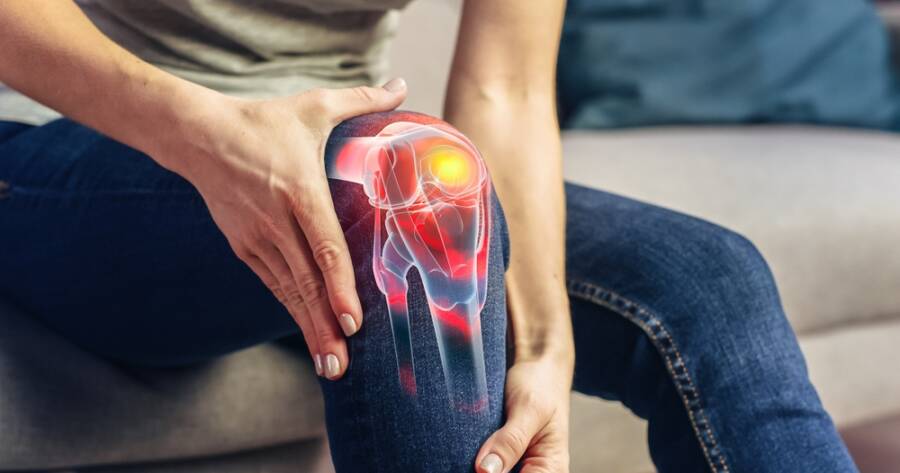
Nonsurgical treatments for knee pain offer a diverse array of solutions for those seeking relief without the risks of surgery. From cortisone injections and physical therapy to regenerative medicine and innovative emerging treatments, top options cater to individual needs, enhancing mobility and reducing discomfort. Understand the world of nonsurgical knee pain management and key possibilities for improved well-being.
Understanding Nonsurgical Treatments for Knee Pain
Knee pain is a common ailment that affects individuals of all ages, often resulting from injury, inflammation, or age-related conditions. While surgery is an option for severe cases, many people seek nonsurgical treatments to alleviate discomfort and improve mobility.
These treatments offer a range of benefits, from reducing inflammation to enhancing joint function, without the risks associated with surgical procedures.
Cortisone and Hyaluronic Acid Injections
Cortisone injections are a popular nonsurgical treatment for knee pain, particularly effective for inflammatory arthritis. These injections help relieve discomfort and inflammation in the knee, with effects lasting several months. Patients typically receive no more than three to four injections per year to prevent tissue degradation.
Another option is hyaluronic acid injections, also known as “rooster shots,” which lubricate the knee joint. Derived from rooster combs, these injections mimic the synovial fluid that naturally lubricates joints, providing relief for those with deteriorating cartilage and improving joint function.
Physical Therapy and Exercise
Physical therapy is a cornerstone of nonsurgical knee pain treatment. It focuses on increasing range of motion and flexibility, strengthening leg muscles, and reducing joint pain through personalized exercise routines.
By improving flexibility and joint support, physical therapy can significantly alleviate pain and prevent further injuries through exercises like leg lifts and knee bends. Therapists can tailor exercises to simulate specific activities, aiding in recovery and injury prevention and reducing the need for surgery.
Regenerative Medicine and PRP Therapy
Regenerative medicine, including Platelet-Rich Plasma (PRP) therapy, is gaining popularity as a nonsurgical treatment for knee pain. PRP therapy involves injecting a concentrated amount of platelets into the knee, which release growth factors and proteins to stimulate healing. This treatment has gained traction in sports medicine and is used by athletes to treat knee injuries and chronic tendon issues by utilizing the body’s healing abilities.
Regenerative Cellular Therapy is another promising option, using unspecialized regenerative cells that can mature into various cell types, including those that form cartilage and tendons to aid in the healing of damaged knee tissues.
Knee Bracing and Orthotics
Knee braces provide external stability and help manage knee pain by shifting weight off the most damaged part of the knee, allowing for more comfortable movement. They are particularly useful for individuals with arthritis or those recovering from an injury.
However, excessive reliance on braces can lead to muscle atrophy, so they should be used with caution and under medical guidance to ensure proper support. Knee orthotics can also alleviate pain by correcting foot imbalances and providing additional support.
Emerging Nonsurgical Treatments
Emerging treatments such as autologous cell or stem cell injections involve using a patient’s own cells to regenerate cartilage, offering a promising option for younger patients with specific cartilage defects.
Micro-particle injection is another innovative approach, involving the insertion of tiny pellets into blood vessels around the knee to reduce pain and improve function. This procedure can potentially delay the need for knee replacement surgery and offer new hope for patients.
Learn More About Knee Pain Treatment
Exploring nonsurgical treatments for knee pain can provide significant relief and improve quality of life without the risks associated with surgery. From cortisone and hyaluronic acid injections to physical therapy and regenerative medicine, these options offer a range of benefits tailored to individual needs.
Understanding the various treatments available can empower individuals to make informed decisions about their health and well-being. As medical advancements continue to evolve, staying informed about the latest nonsurgical options can lead to more effective and personalized care for knee pain.