

Dental implants have revolutionized tooth replacement, offering a permanent and natural-looking solution. In order to understand the benefits and potential risks, it’s important to recognize the components, costs, and financing options available. With the right information, individuals can make informed decisions about achieving a healthy, confident smile with the help of dental implants.
Understanding Dental Implants
Dental implants have emerged as a revolutionary solution for individuals seeking to replace missing teeth. Unlike traditional dentures or bridges, dental implants offer a permanent and natural-looking alternative.
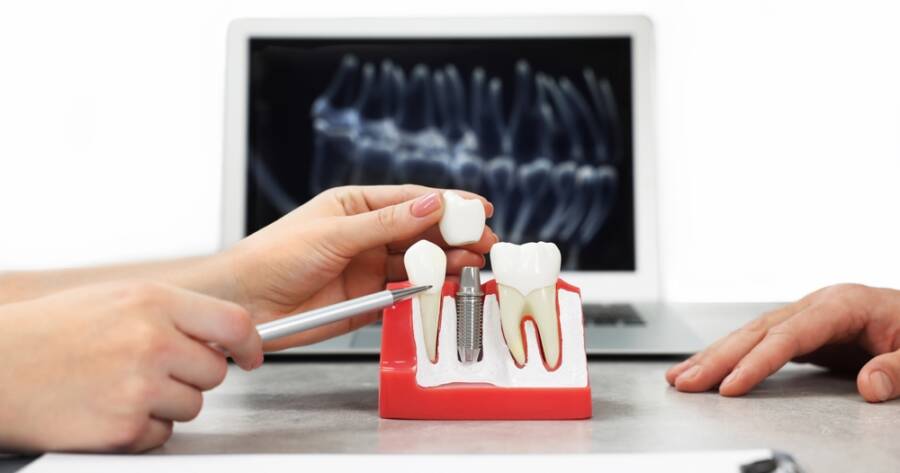
They consist of three main components: the implant post, abutment, and crown, which together create a strong and functional tooth replacement system (source). The implant post, typically made of titanium due to its biocompatibility, is surgically inserted into the jawbone, providing a stable foundation for the abutment and crown (source).
Cost Considerations for Dental Implants
The cost of dental implants can vary significantly, influenced by factors such as geographic location, the dentist’s expertise, and the complexity of the procedure. On average, a single tooth implant can range from $3,000 to $7,000, which includes the post, abutment, and crown (source).
Additional procedures like bone grafts or sinus lifts can further increase the cost by $500 to $2,000 (source). Despite the high initial costs, dental implants are considered a worthwhile investment due to their durability and longevity, often lasting a lifetime with proper care.
Insurance and Financing Options
Insurance coverage for dental implants is often limited, as they are frequently classified as elective procedures. Some dental insurance plans may cover part of the cost, but it is crucial to review the specifics of each plan, including deductibles and waiting periods (source).
For costs not covered by insurance, patients can explore financing options such as Health Savings Accounts (HSAs), Health Reimbursement Arrangements (HRAs), and Flexible Spending Accounts (FSAs) (source). Additionally, payment plans or credit options like CareCredit can help manage expenses (source).
Benefits of Dental Implants
Dental implants offer numerous benefits beyond their aesthetic appeal. They help prevent bone loss in the jaw, maintain facial structure, and improve oral hygiene by not altering adjacent teeth (source).
Functionally, they mimic natural teeth, allowing for confident eating, speaking, and smiling without the discomfort associated with dentures. They also distribute bite forces evenly, reducing the risk of gum disease by filling gaps that trap food and bacteria (source).
Potential Risks and Alternatives
While dental implants are generally safe with success rates between 90% and 95%, potential risks include infection, nerve damage, and implant failure. These risks can be minimized by choosing an experienced dentist and maintaining proper care (source).
Alternatives to dental implants include dental bridges and dentures, which are generally less expensive but may require replacement over time. Each option has its pros and cons regarding cost, maintenance, and longevity (source).
Why You Should Learn More About Dental Implants
Dental implants represent a significant advancement in dental technology, offering a durable and natural-looking solution for missing teeth. Understanding the costs, benefits, and potential risks associated with dental implants is crucial for making an informed decision.
With various financing options and insurance plans available, dental implants can be a viable option for many individuals. Exploring these options and consulting with a dental professional can help determine the best course of action for achieving a healthy and confident smile.