

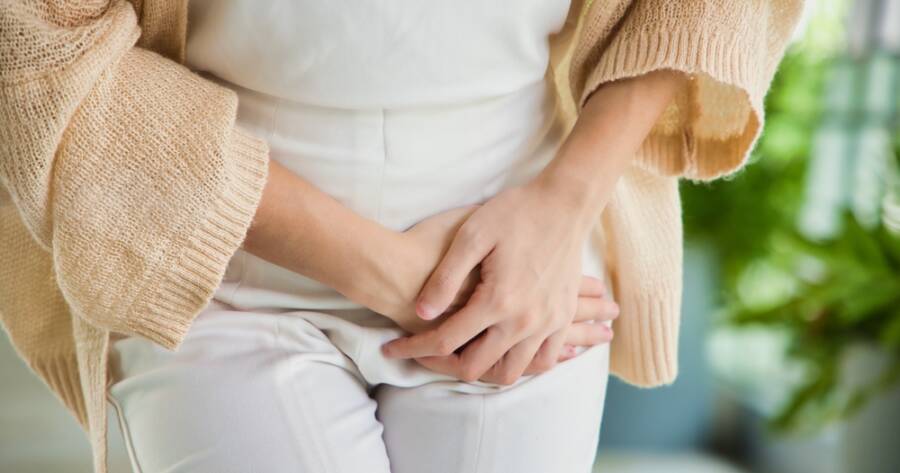
Urinary incontinence affects millions globally and can disrupt daily life with its involuntary leakage of urine. Dietary choices play a pivotal role in managing the condition, as certain foods and drinks may worsen symptoms. By understanding which items to avoid and incorporating bladder-friendly options, individuals can effectively manage their condition and enhance their quality of life.
Understanding Urinary Incontinence
Urinary incontinence is a common condition affecting millions of people worldwide, characterized by the involuntary leakage of urine. It can significantly impact daily life, leading to embarrassment and a reduction in social activities.
One of the key strategies in managing urinary incontinence is through dietary adjustments, as certain foods and drinks can exacerbate symptoms. Understanding which items to avoid can help individuals manage their condition more effectively (source).
Foods and Drinks to Avoid
Several foods and beverages are known to irritate the bladder and should be avoided by those suffering from urinary incontinence. Caffeinated drinks such as coffee, tea, and cola are major culprits due to their diuretic properties, which increase urine production and bladder sensitivity. Limiting caffeine intake can help manage symptoms (source).
Alcohol is another diuretic that can exacerbate urinary incontinence. It stimulates the bladder, increasing the frequency of urination. Reducing alcohol consumption, especially beer, can help alleviate symptoms (source).
Carbonated drinks, including sodas, can also irritate the bladder due to their caffeine, sugar, or artificial sweetener content. These ingredients are known triggers for overactive bladder symptoms, and avoiding them can be beneficial (source).
Acidic foods and drinks, such as citrus fruits and tomatoes, can also irritate the bladder. Opting for non-citrus fruits like apples, blueberries, and pears can provide nutrients and fiber without the acidity (source).
Managing Urinary Incontinence Through Diet
In addition to avoiding certain foods and drinks, incorporating bladder-friendly options into the diet can help manage urinary incontinence. Lean proteins, fiber-rich foods, and certain vegetables can support bladder health and reduce pressure on the bladder (source).
Maintaining proper hydration is crucial. While excessive intake of carbonated or caffeinated beverages should be avoided, adequate water consumption is necessary to prevent concentrated urine, which can irritate the bladder. Drinking six to eight glasses of fluids per day, adjusted for activity level and thirst, is recommended (source).
Keeping a bladder diary can be an effective tool for identifying specific dietary triggers. By tracking food and drink intake alongside symptoms, individuals can pinpoint patterns and make more personalized dietary adjustments (source).
Why You Should Learn More About Incontinence Today
Understanding how diet influences urinary incontinence empowers individuals to take practical, everyday steps toward better bladder control. Foods and drinks such as caffeine, alcohol, carbonated beverages, and acidic items can aggravate symptoms, but awareness makes it easier to reduce their impact. By making mindful dietary choices, people can lessen bladder irritation and gain greater confidence in daily activities.
Beyond avoidance, adopting a balanced, bladder-friendly diet and maintaining proper hydration are equally important. Tracking symptoms through a bladder diary and working with healthcare professionals can help tailor dietary strategies to individual needs. With the right knowledge and support, managing urinary incontinence becomes more achievable, leading to improved comfort, independence, and overall quality of life.