

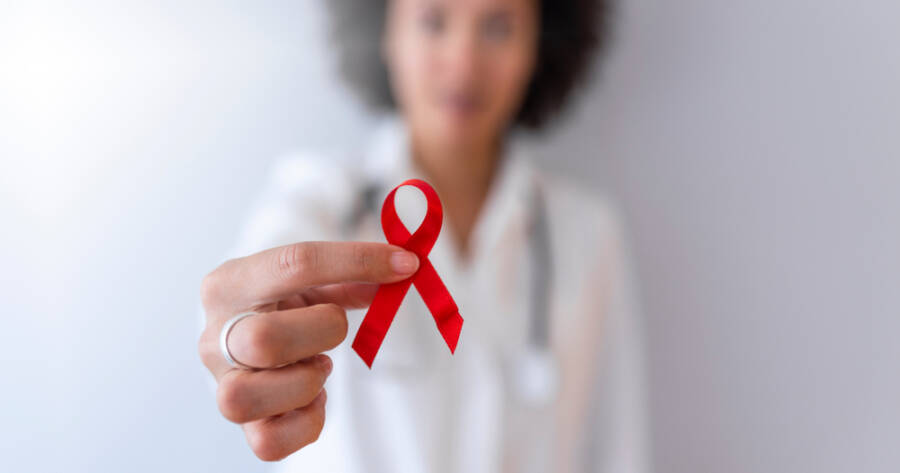
Early recognition of HIV symptoms in women is essential for timely testing, treatment, and long-term health. Because early signs often resemble common illnesses, HIV can go undiagnosed for years. Understanding how symptoms may appear differently in women helps support earlier intervention, improved treatment outcomes, and better protection for personal and reproductive health.
Understanding Early Signs and Symptoms of HIV in Women
HIV, or human immunodeficiency virus, is a condition that significantly impacts the immune system by targeting and destroying white blood cells. This leads to an increased vulnerability to infections and diseases. Recognizing the early signs and symptoms of HIV in women is crucial for timely diagnosis and treatment.
Early symptoms often mimic flu-like conditions, including fever, night sweats, fatigue, sore throat, swollen lymph nodes, rash, mouth ulcers, and muscle and joint pain. These symptoms typically manifest within 2-4 weeks of exposure and may last for a few days or weeks (source).
Transmission and Unique Challenges for Women
HIV is primarily transmitted through body fluids such as blood, semen, vaginal fluids, and breast milk. Common transmission methods include unprotected sex, sharing needles, and from mother to child during pregnancy, childbirth, or breastfeeding.
Women face unique challenges compared to men, including a higher risk of complications such as repeated vaginal yeast infections, severe pelvic inflammatory disease, and cervical cancer. These gender-specific health issues highlight the importance of recognizing early symptoms in women (source).
Importance of Early Detection and Treatment
Early detection and treatment of HIV are vital for preventing the progression of the virus to AIDS, the most severe stage characterized by a severely weakened immune system. Antiretroviral therapy (ART) is essential for managing the virus, maintaining a low viral load, and reducing the risk of transmission to others. Starting ART as soon as possible after diagnosis can help prevent the progression of the disease and improve the quality of life for women living with HIV (source).
Specific Symptoms and Health Risks in Women
Women with HIV may experience specific symptoms not commonly seen in men, such as changes in menstrual cycles, including lighter or heavier bleeding, skipped periods, or severe PMS. These changes can be attributed to the virus’s impact on the immune system and hormonal fluctuations.
Additionally, women with HIV are more susceptible to sexually transmitted infections (STIs) and may experience more severe symptoms compared to those without HIV. Vaginal yeast infections are also more frequent in women with HIV, often occurring multiple times a year (source).
Why You Should Learn More About HIV Today
Understanding the early signs and symptoms of HIV in women is crucial for timely diagnosis and effective management of the virus. Early detection and treatment can significantly improve the quality of life and prevent the progression to AIDS.
Women face unique challenges and health risks associated with HIV, making awareness and education essential. Access to resources such as HIV testing, prevention strategies, and clinical trials can aid in early detection and treatment, improving outcomes for women with HIV. By staying informed, women can take proactive steps to protect their health and the health of their partners.