

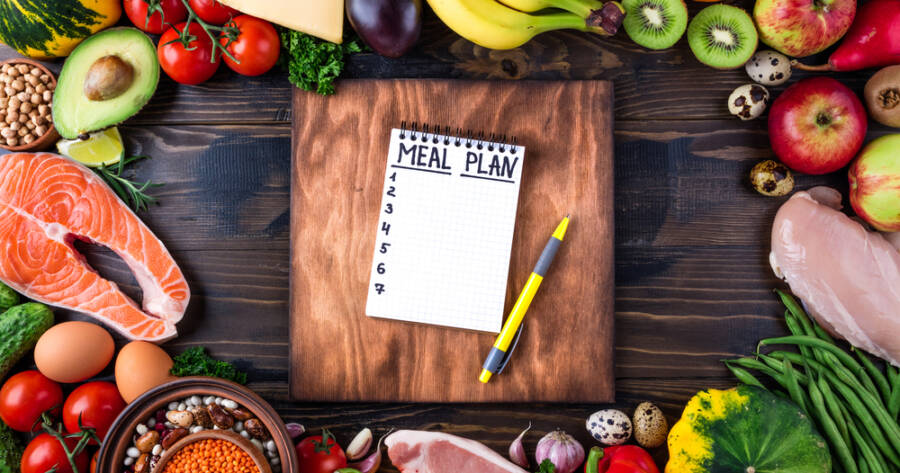
Meal planning has a reputation for being time-consuming or overly complicated, but in reality, it’s one of the simplest ways to eat better, waste less, and save money. By planning your meals ahead of time, you avoid last-minute takeout, reduce grocery waste, and make mealtime less stressful. The trick is to create a system that fits your lifestyle—not someone else’s. With a few easy habits, meal planning can become one of the most effective (and rewarding) parts of your week.
1. Start with What You Already Have
One of the biggest mistakes people make when meal planning is starting from scratch every week. Before you even think about recipes, check what’s already in your pantry, fridge, and freezer. Building meals around what you already own prevents waste and saves money.
Look for ingredients that need to be used soon—like vegetables close to spoiling or proteins nearing their expiration date—and plan meals around them. If you have half a bag of rice, a can of beans, and some spices, that’s the base for a stir-fry, burrito bowl, or soup.
Keeping a running list of pantry staples also helps you stay organized. When you know what you have, you’re less likely to buy duplicates or forget key ingredients at the store.
2. Plan Around Your Real Life, Not an Ideal One
Meal planning only works when it’s realistic. Many people create elaborate plans filled with recipes they don’t have time—or energy—to cook. Instead, plan meals that fit your actual schedule and habits.
Start by looking at your week ahead. Busy nights? Plan for quick meals like tacos, salads, or one-pan dinners. More relaxed evenings? That’s the time to try new recipes or cook larger portions for leftovers.
It also helps to repeat easy meals you know you enjoy. For example, designate one night for pasta, another for leftovers, and another for breakfast-for-dinner. The goal isn’t to impress anyone—it’s to make mealtime simple and consistent.
By planning around your real routine, you’ll find that meal prep becomes less of a chore and more of a supportive habit that fits your lifestyle.
3. Batch Cook and Repurpose Leftovers
Batch cooking—preparing larger portions to use throughout the week—is one of the best ways to save both time and money. Cooking once and eating twice means fewer dishes, fewer groceries, and less temptation to order out.
You don’t need to spend hours meal prepping, either. Start small. Cook a double batch of soup, roasted vegetables, or chicken that can be reused in different meals. Monday’s roast chicken can become Tuesday’s sandwiches or Wednesday’s stir-fry.
Repurposing leftovers keeps your meals interesting without requiring new ingredients every day. If you’re cooking pasta sauce, make extra and freeze it for a future dinner. These small efficiencies add up to big savings—both in time and money.
Labeling and freezing extra portions is another great habit. Having pre-made meals on hand for busy days reduces food waste and keeps you from reaching for expensive convenience foods.
4. Shop Smarter with a Clear List
A thoughtful grocery list is at the heart of successful meal planning. Once you know your meals for the week, write down exactly what you need—and stick to that list when you shop. This prevents impulse buys that inflate your grocery bill and ensures you only purchase what you’ll actually use.
Organize your list by grocery store sections (produce, dairy, pantry, frozen) to make shopping faster. If possible, plan your meals around seasonal produce, which is often fresher and more affordable.
Shopping from a list also helps you avoid unnecessary extras. When you walk into the store with a plan, you’re less likely to wander the aisles adding random items to your cart. It’s one of the simplest ways to cut your grocery spending without sacrificing quality or nutrition.
5. Stay Flexible and Adjust as You Go
Even the best meal plans can fall apart sometimes—and that’s okay. Life happens, and the key to long-term success is flexibility. Keep one or two “backup” meals on hand, like frozen vegetables and pasta or canned soup, for nights when your plans change.
If you skip a meal you planned, don’t waste it. Shift it to later in the week or freeze ingredients for future use. Over time, you’ll get better at estimating how much food you actually need and which meals work best for your schedule.
Meal planning is a skill that gets easier the more you do it. With a little patience and practice, it becomes second nature—and the savings, both financial and mental, are well worth it.
Simplify Your Week, Save Every Time
Meal planning doesn’t have to be complicated or restrictive—it’s simply a smarter way to eat. By using what you have, planning around your real life, and staying flexible, you’ll cut down on food waste, grocery costs, and stress.
When done right, meal planning saves you time and money while helping you eat healthier and more intentionally. The best plan is the one you’ll actually stick to—and once you find your rhythm, you’ll wonder how you ever managed without it.