

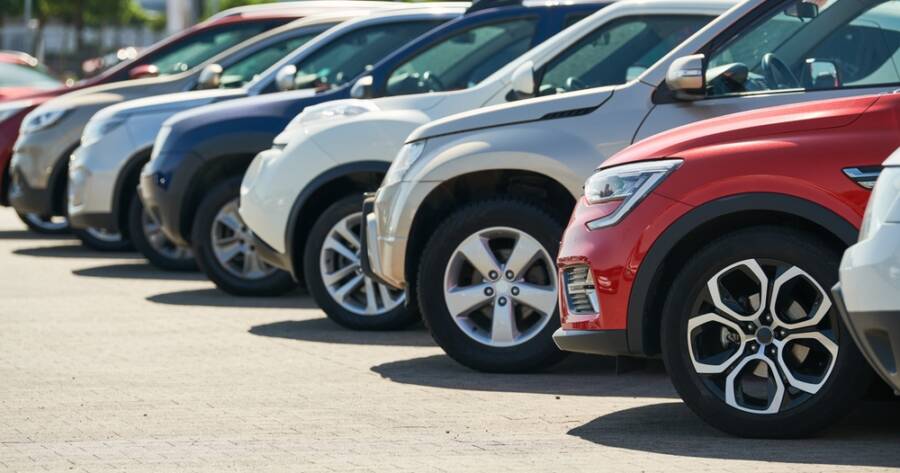
For budget-conscious vehicle shoppers, police impound SUVs represent an underexplored opportunity to acquire quality vehicles at competitive prices. Understanding where these vehicles come from and how to purchase them can open up a practical path to ownership.
What Are Police Impound SUVs?
Police impound SUVs are vehicles that law enforcement agencies have taken into custody for a variety of reasons. Some were seized during criminal investigations or as part of asset forfeiture proceedings, while others may have been abandoned or linked to outstanding violations. Once a vehicle enters the impound system, it typically passes through a legal process before eventually becoming available for public sale.
SUVs are among the most commonly encountered vehicle types in these programs. Their popularity on the road means they appear frequently in impound lots and surplus inventories. Buyers looking for larger vehicles — whether for family use, hauling, or off-road capability — often find impound SUV auctions to be worth exploring.
It is important to note that not all impound vehicles are in poor condition. Many were seized simply because of legal circumstances surrounding their owners, not because of any mechanical problems. However, condition varies widely, and prospective buyers are encouraged to review all available information about a vehicle before placing a bid.
Federal Auction Programs and How They Work
The federal government runs several programs that bring impounded and surplus vehicles to the public. The General Services Administration (GSA) operates one of the most well-known platforms for this purpose. “GSA Auctions is the official federal platform for bidding on government-owned excess and seized property, including a wide range of motor vehicles” (source). This platform handles everything from surplus fleet vehicles that government agencies no longer need to property that has been forfeited through federal legal action.
One notable aspect of the GSA system is its accessibility. “The platform is open to the general public, allowing U.S. residents to register and place bids on available inventory including SUVs” (source). Anyone who meets the registration requirements can participate, making it a genuinely open marketplace rather than one reserved for industry insiders or dealers.
The U.S. Marshals Service also plays a significant role in federal vehicle auctions. Their seized asset program covers vehicles and other property taken by Department of Justice agencies and additional federal bodies (source). Because DOJ operations frequently involve high-value seizures, SUVs and other larger vehicles commonly appear in this inventory.
Online, In-Person, and Mail-In Bidding Options
Buyers have several ways to participate in government vehicle auctions. According to federal resources, “auctions may take place online, in person, or by mail-in bid, conducted either by the federal agency that owns the vehicles or by a contracted auction company” (source). This flexibility means that buyers across the country — not just those near a specific impound facility — can participate in the process.
Online auctions have become increasingly common and provide a transparent process for buyers to review listings, check available vehicle details, and submit competitive bids from anywhere (source). In-person auctions allow for a more hands-on experience, where attendees can sometimes inspect vehicles more closely before committing to a purchase. Mail-in bidding is less common but remains an option for certain sales.
Each auction format has its own set of rules and timelines. Buyers interested in impound SUVs should review the specific terms of any auction they plan to enter, paying close attention to payment deadlines, vehicle pickup requirements, and any applicable fees beyond the final bid price.
What to Expect From Surplus vs. Seized Vehicles
There is a meaningful difference between surplus government vehicles and seized ones. The GSA fleet vehicle sales program, for example, “offers auctions of government-owned vehicles that are in good condition and ready to drive” (source). These are typically well-maintained fleet units that were regularly serviced throughout their use in government operations.
Seized vehicles, on the other hand, may have a less predictable history. The government acknowledges that while some seized vehicles are in excellent shape, “others were seized and may need many repairs” (source). For buyers specifically targeting police impound SUVs from seizure programs, factoring potential repair costs into the overall budget is a practical consideration.
Reviewing vehicle listing details carefully, noting any disclosed condition issues, and understanding that most government auction sales are final will help buyers make informed decisions. Some auctions provide vehicle identification numbers (VINs) in listings, which allows buyers to research ownership history through third-party services before bidding.
Where Federal Impound SUV Auctions Are Listed
The primary resource for locating federally available impound SUVs is the GSA Auctions platform. Listings on this platform span the country and are updated as new inventory becomes available (source). Buyers can browse by vehicle type, location, and auction status, making it easier to target the specific kind of SUV they are seeking.
The USA.gov portal serves as another useful starting point. It consolidates information about various government vehicle auction programs, including the GSA fleet sales and the U.S. Marshals Service program, along with guidance on how to participate in each (source). Using these official federal resources helps buyers avoid unofficial or misleading third-party listings that may not represent actual government auctions.
State and local law enforcement agencies also conduct their own impound auctions, which may not be listed on federal platforms. Checking directly with county or municipal authorities, or with locally contracted auction companies, can surface additional inventory that does not appear on national databases.
Why You Should Learn More About Police Impound SUVs Today
Police impound SUVs offer a legitimate and often overlooked path to purchasing a vehicle at a price below traditional retail. Federal programs like GSA Auctions and the U.S. Marshals Service seized assets program give the general public direct access to a rotating inventory of SUVs and other vehicles. Whether a buyer is drawn to surplus fleet units in reliable condition or is willing to take on a seized vehicle with repair potential, the range of options available through official government channels is broader than many realize. Understanding the difference between vehicle types, exploring the various bidding formats, and relying on official platforms like GSA Auctions and USA.gov are all steps toward making a well-informed purchase. The opportunity exists — and the process is more accessible than most expect.